Our tour director told us about how monkeys go to school here. They learn to climb trees and pick up to 500 coconuts a day. When they get tired, they stop on their own—they aren’t forced to continue working. Many Thai people love their monkeys so much that they even FaceTime with them when traveling away from home.
They also love their elephants. Killing an elephant incurs the same penalty as killing a person.
They have a tiny species of banana here, humorously nicknamed “the king’s banana”—a not-so-subtle joke about a certain body part.
Train Street was exactly the kind of travel experience I dislike—crowded and lacking cultural authenticity. Apparently, Anthony Bourdain made this little market by the train tracks famous, and now hordes of tourists pour out of buses, clogging the tracks just to snap pictures for social media. When the train passes, tourists on the tracks take photos of the passengers (also tourists), while the passengers take photos of the tourists. Meanwhile, vendors photograph us, print the images on wooden plaques, and try to sell them back to us. It felt both invasive and wasteful—as if I’d ever want to buy a wooden plaque featuring a sweaty, unsmiling version of myself!


Later we went to a family-run coconut farm.


Ten years ago the floating marking was _____ someplace where you could experience local color, but now it has more traffic than LA at rush hour. Everyone is jockeying for position and the vendors are selling mostly tourist souvenirs and liquor rather than things Thai people would buy.


Lunch at the market near the floating market was delicious and inexpensive.


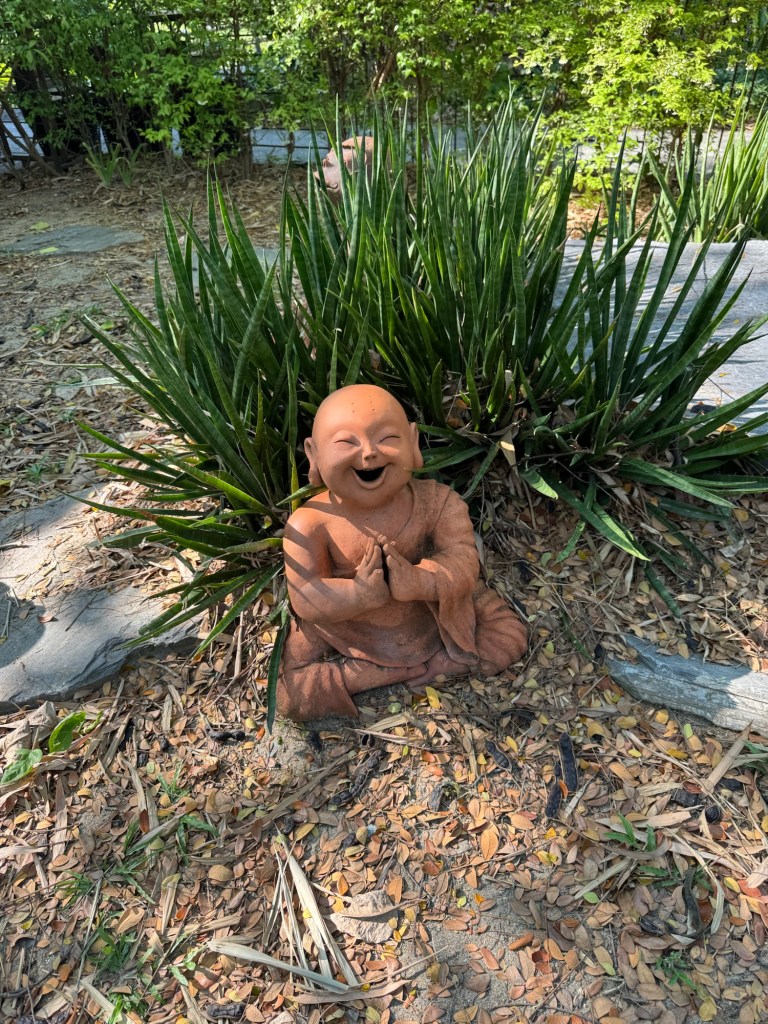
In the afternoon we visited an organic farm that used to be an expensive resort.


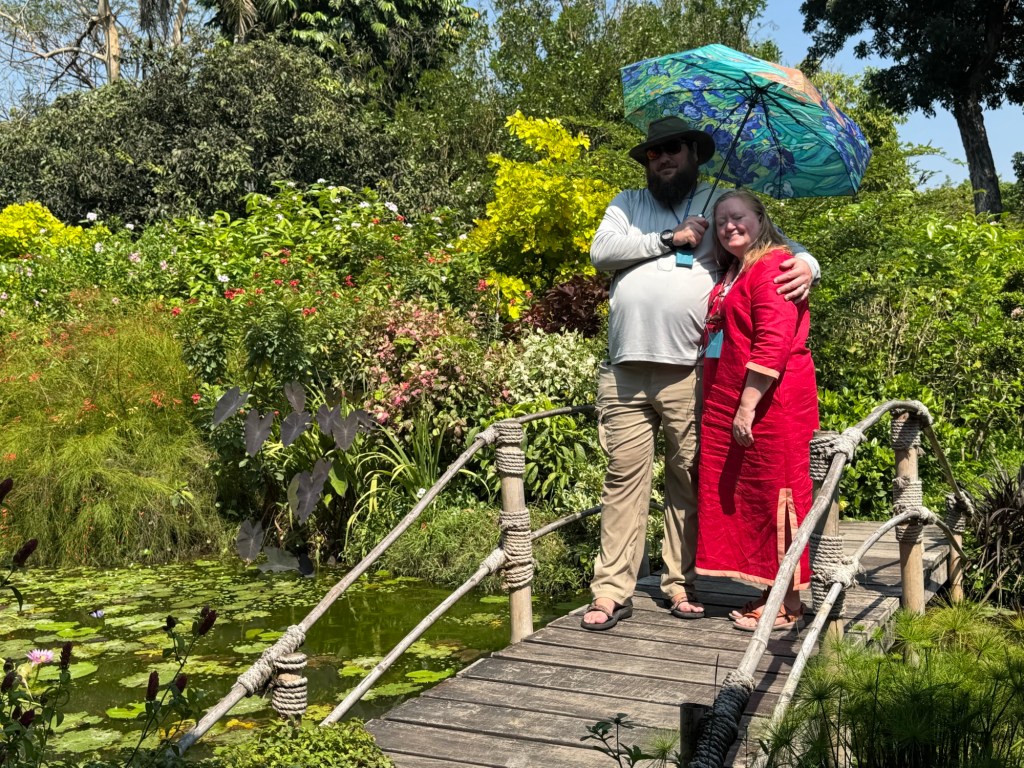


Later we enjoyed a nice dinner at the hotel—our last night together.


What a fabulous trip. And to think that you invited me, makes me feel very special. Thank you again for sharing your trip and keeping me intrigued by all the great food pics.
LikeLike